Successful creation and reforestation of the Cucapa Wetland in San Luis Rio Colorado
SHARE


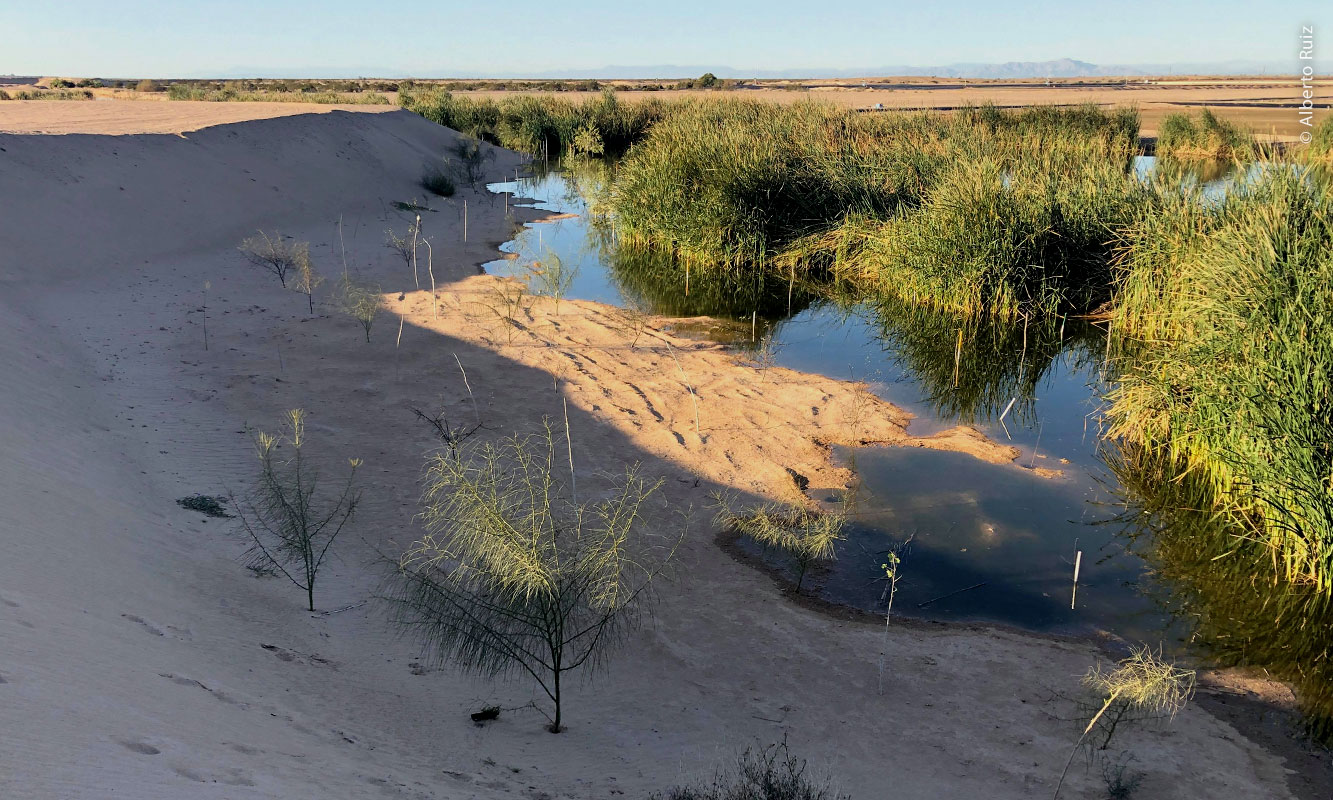
Twenty hectares have been reforested during two years of work in the Cucapa Wetland, the first urban artificial wetland in San Luis Rio Colorado, Sonora. The water that forms this artificial wetland ecosystem comes from waters treated at the city’s Wastewater Treatment Plant, which are designated for the environment.
The process of planning, designing, and building this wetland began in February 2017, and consisted of delimiting the polygon, compacting the soil, leveling the topography, excavating the water supply, and operating the water levels. The Cucapá Wetland was inaugurated on March 23, 2018 and the Municipal Drinking Water, Sewage, and Sanitation Operating Agency (OOMAPAS), the Walton Family Foundation, and Pronatura Noroeste collaborated in its creation.
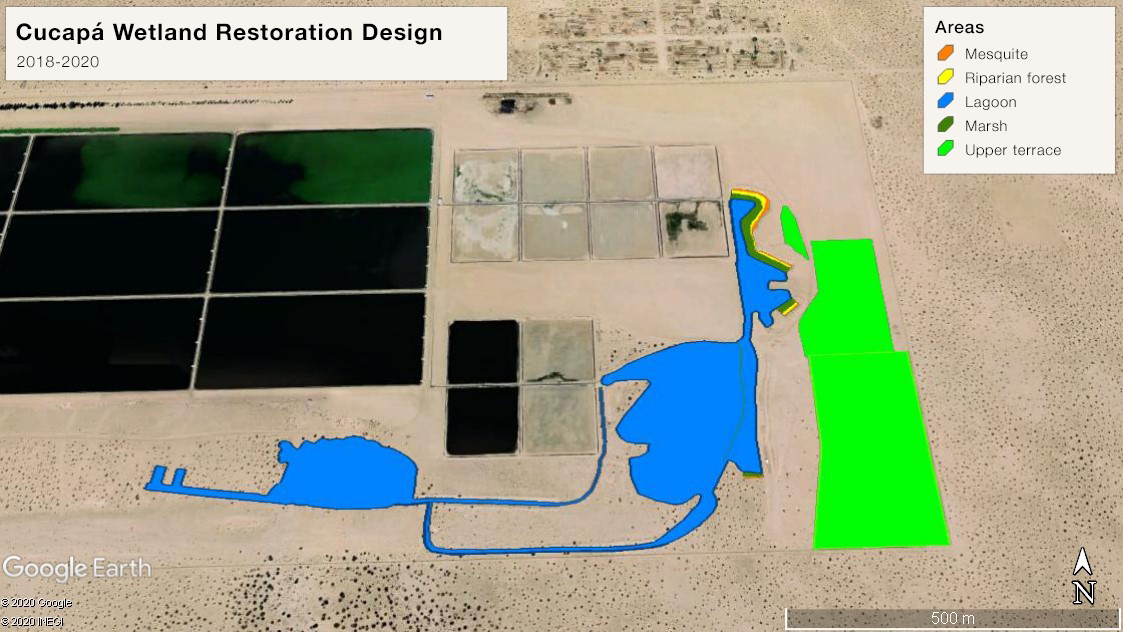
As part of the vegetation design for the wetland, it was appropriate to plant native flora from the Colorado River Delta region. This flora works as a tertiary treatment system that improves the quality of the water recharging the aquifer, and also generates a healthy natural habitat for wildlife. The site was reforested with 6,009 plants planted by volunteers from nearby communities and the Restoration Brigade from Pronatura Noroeste and OOMAPAS.
Native vegetation planted during the reforestation days.
-
Marsh area
1,500 Tule plugs
250 Yerba mansa plugs
650 Yellow nutsedge plugs
-
Riparian forest area
200 Poplars
200 Willows
-
Mesquite area
133 Honey mesquites
124 Jerusalem thorn
-
Upper terrace area
1,265 Honey mesquites
207 Desert ironwoods
648 Jerusalem thorn
145 Yellow paloverdes
189 Paloverde blues
222 Cat’s claws
92 Chamise
92 Wild strawberry
92 Screwbean mesquites
Since October 2016, the Pronatura Noroeste technical team has been monitoring birds in the Treatment Plant and the wetland. Observations indicate that 89 species of birds and more than 32,044 individuals inhabit, rest, or feed in the area; among them are Greater roadrunner, Savannah sparrow, Yellow-headed blackbird, Northern shoveler, Eurasian teal, American white pelican, and Ring-billed gull.
In addition, Pronatura Noroeste conducts environmental education days with elementary, middle, and high school students and teachers to share about the importance of the wetlands; how the water of San Luis Río Colorado is distributed, managed, and treated; and the manner in which the Cucapá Wetland contributes to improving the quality of the water that recharges the aquifer upon which the city depends.
Creating artificial and urban wetlands like this one is part of the restoration strategy developed by the Pronatura Noroeste Water and Wetlands Program in the Colorado River Delta.
-
 Construcción del Humedal Cucapá
 -
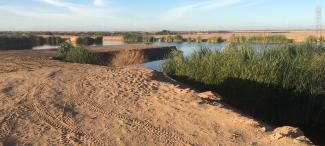 Humedal Cucapá
 -
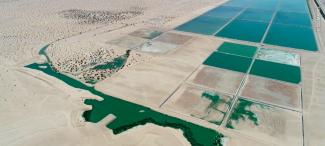 Vista aérea de la Planta de Tratamiento y el Humedal Cucapá
 -
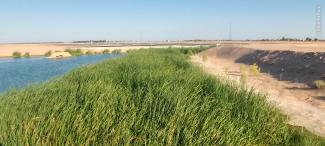 Humedal Cucapá
 -
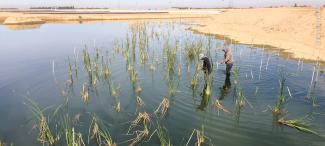 Humedal Cucapá
 -
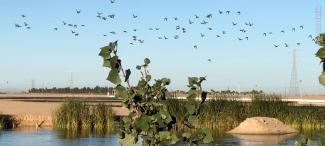 Aves en Humedal Cucapá
 -
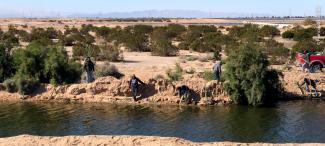 Brigada de Restauración de Restauración de Pronatura Noroeste
 -
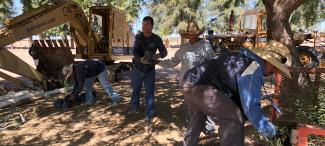 Brigada de Restauración de Restauración de Pronatura Noroeste
 -
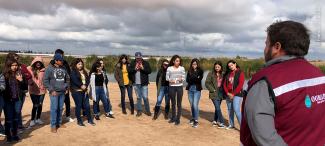 Actividad educativa sobre el Humedal Cucapá
 -
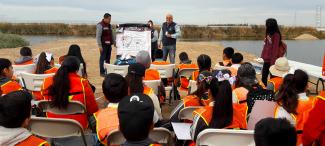 Actividad educativa sobre el Humedal Cucapá
 -
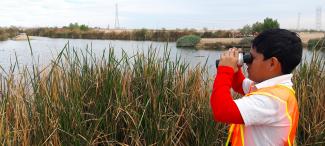 Observación de aves en Humedal Cucapá
 -
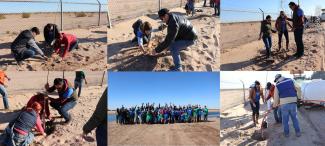 Jornada de reforestación en Humedal Cucapá